The Vehicle Identification Number (VIN) is a 17-character code that identifies a specific vehicle. With it, you can check most of what matters about a car before you approve it — without relying on anyone's word, including ours.
1. Decode the VIN
The US National Highway Traffic Safety Administration's free vPIC decoder shows the make, model, year, body, engine and plant for a VIN. If the decoded details don't match the listing, stop and ask why. Every vehicle option in your RNJ portal has a one-click "decode VIN" link.
2. Check theft and total-loss records
The National Insurance Crime Bureau's free VINCheck service shows whether a vehicle has been reported stolen and not recovered, or declared a total loss by participating insurers.
3. Read a full history report
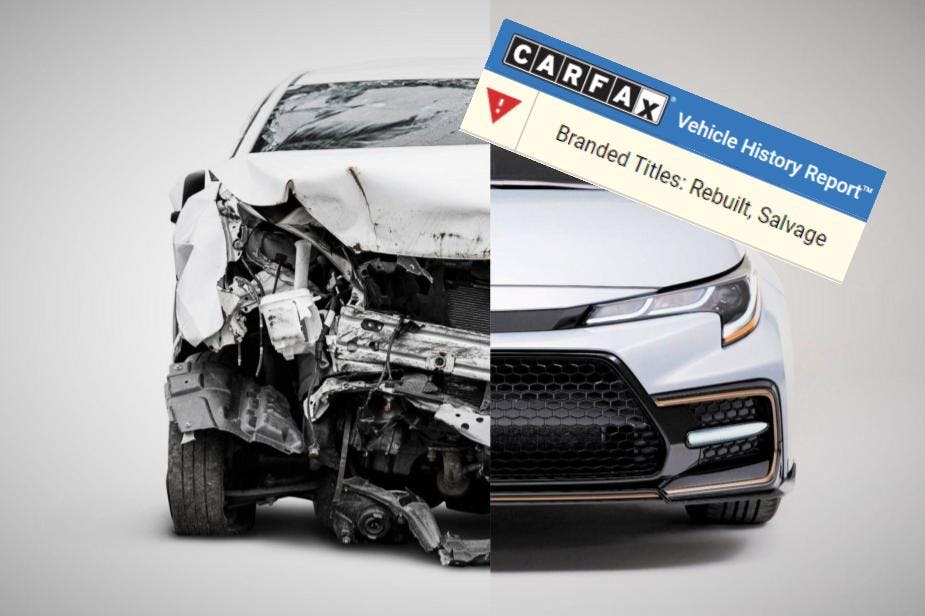
Paid reports such as Carfax and AutoCheck list title brands, reported accidents, odometer readings over time, service records and the states where the vehicle was registered. Look for:
- odometer readings that go down, or long gaps;
- registration in flood-affected areas shortly before a salvage title;
- title brands that differ from the auction listing.
4. Open the auction listing
Compare the photos, lot number, stated damage and odometer with everything above. Listings are removed after a sale, so we record the details in your portal when we present the vehicle.
What we do before you see a vehicle
We run these checks, plus Ghana's GS 4510 eligibility checks, before presenting options. Then we give you the VIN, lot number and links so you can repeat them yourself.

General information only — not legal, tax or customs advice. Rules and rates change; check with the relevant authority before relying on any figure.